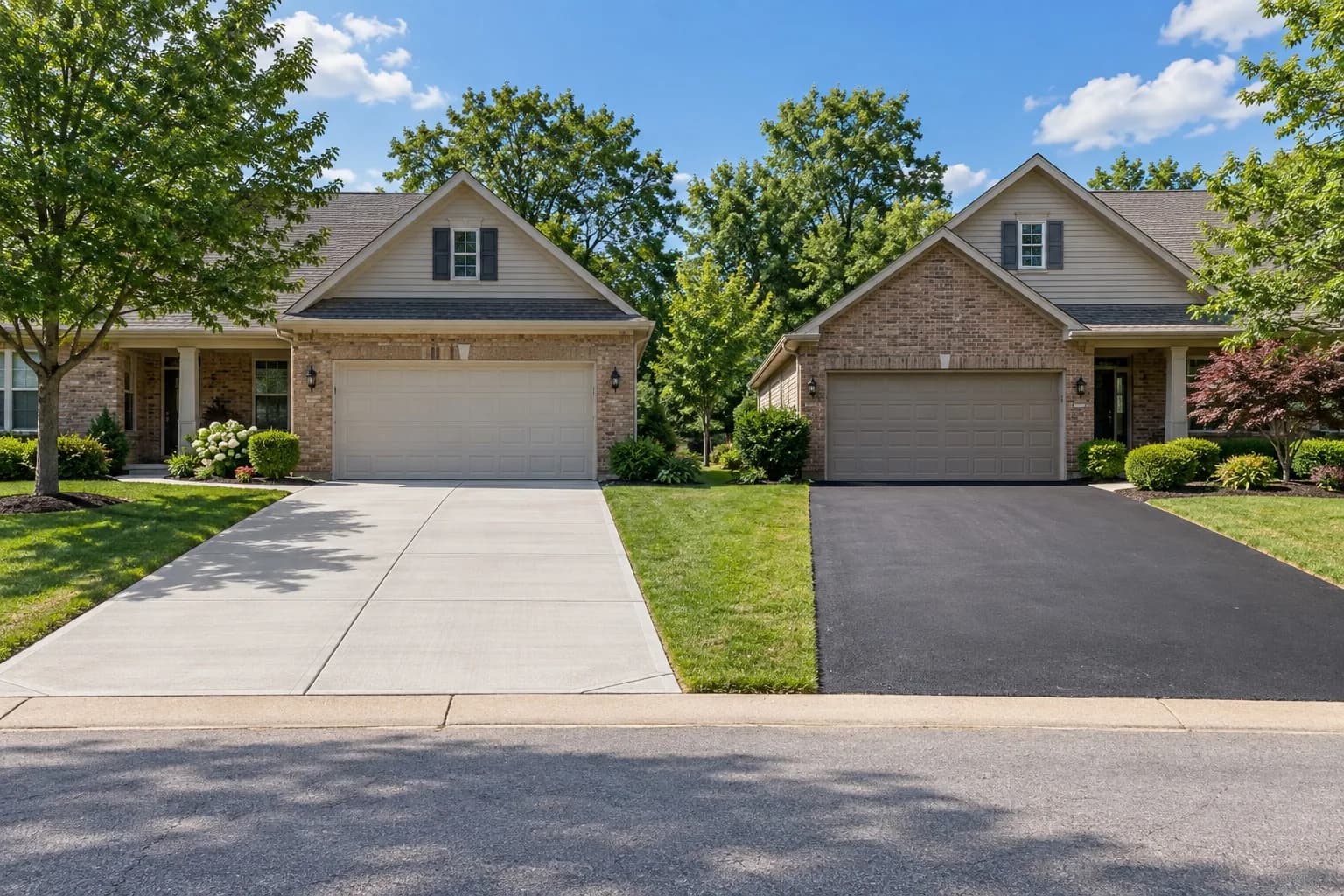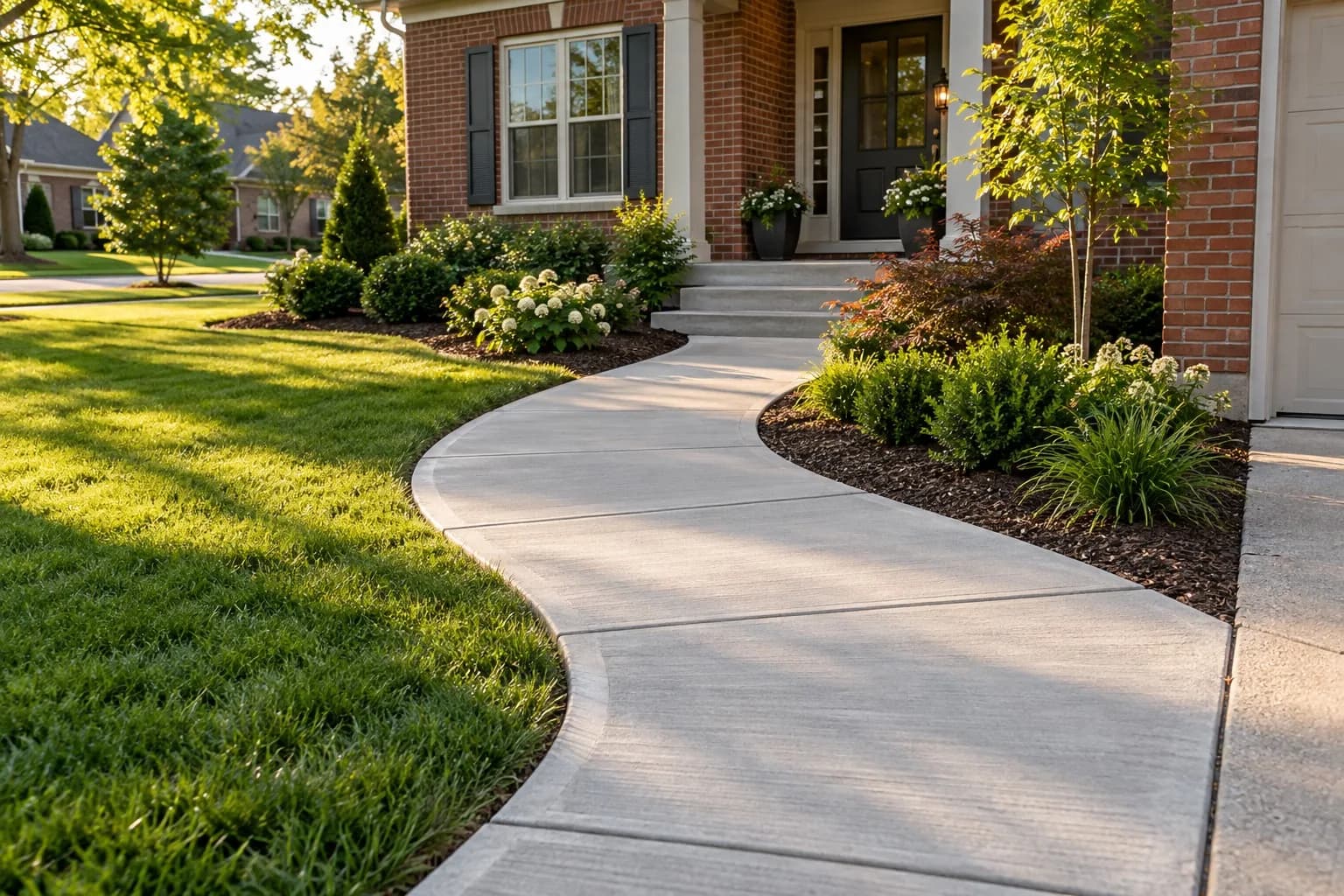
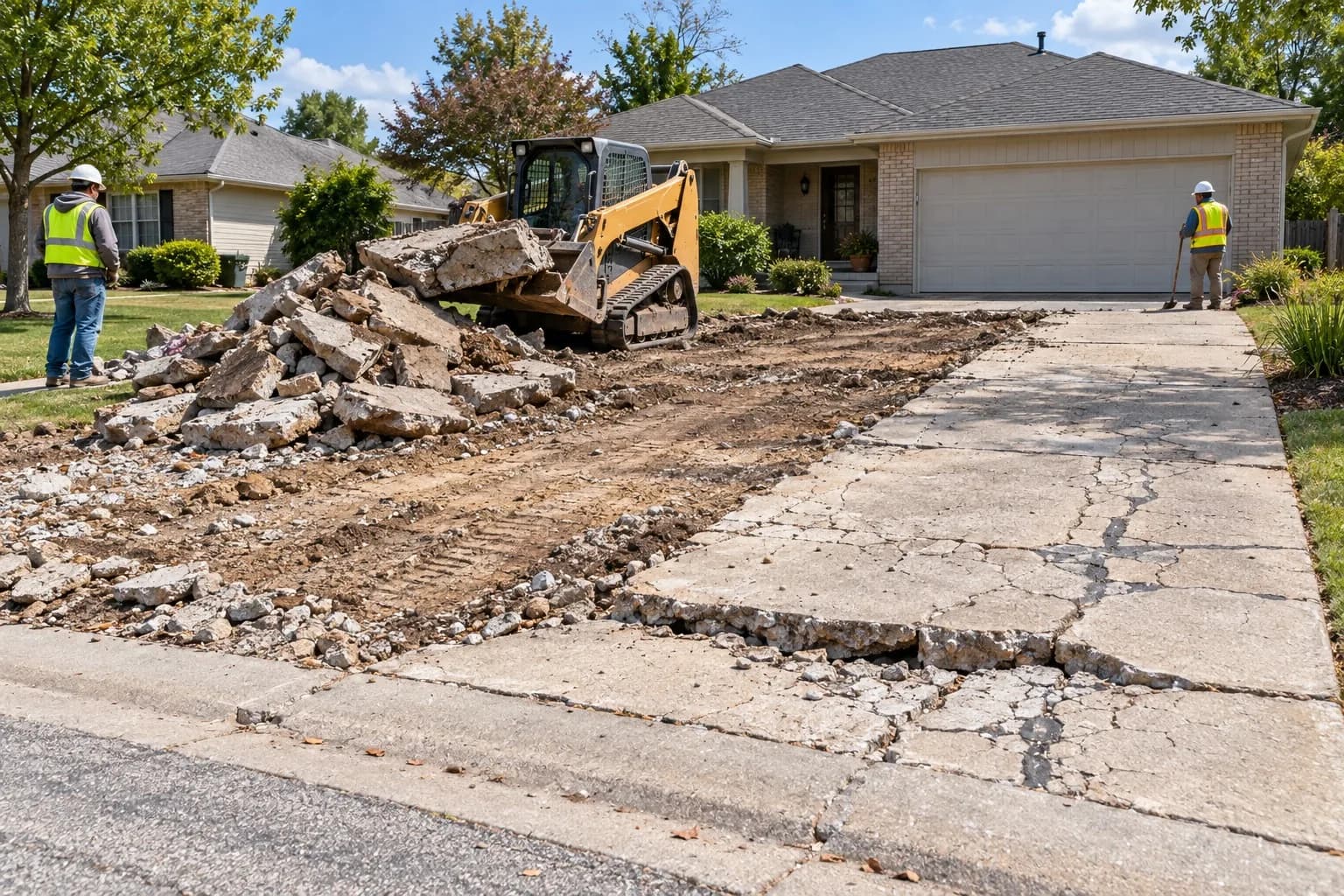
Your driveway gets used almost every day, so some wear and tear is normal. Small cracks or surface changes do not always mean you need a new driveway.
However, there are times when repairing the concrete may not be enough. Knowing the signs can help you decide when it is time to consider replacement.
Large or Widespread Cracks
Small cracks can sometimes be repaired, but larger cracks may indicate a bigger problem.
If your driveway has several large cracks or cracks that continue to grow, the concrete may have underlying issues that need to be addressed.
A professional can inspect the driveway and help determine whether repair or replacement is the better option.
Uneven or Sunken Areas
A driveway should have a relatively even surface.
If sections of your driveway are sinking, shifting, or becoming uneven, the soil underneath may have settled or moved.
Uneven concrete can also create areas where water collects and can become a tripping hazard.
Crumbling or Flaking Surface
Concrete can sometimes develop surface damage known as scaling or spalling.
This may cause the surface to flake, chip, or crumble. Minor surface damage may be repairable, but extensive deterioration can mean that replacement is a better long-term solution.
Drainage Problems
Water is one of the biggest concerns for any driveway.
If water regularly collects on your driveway or near its edges, it can affect both the concrete and the soil underneath.
Before replacing a driveway, it is important to address the drainage issue so the same problem does not affect the new concrete.
Your Driveway Is Difficult to Repair
If you have already repaired your driveway several times and new problems continue to appear, replacement may make more sense.
Repeated repairs can add up over time. A new driveway can give you a fresh surface while also allowing drainage, grading, and other underlying issues to be addressed.
The Driveway No Longer Fits Your Needs
Sometimes a driveway needs to be replaced simply because your needs have changed.
Maybe you need more parking space, want a wider driveway, or want to improve the appearance of your property.
Replacing the driveway gives you an opportunity to rethink the size, layout, finish, and overall design.
How Long Does a Concrete Driveway Last?
The lifespan of a concrete driveway depends on several factors, including installation, soil conditions, drainage, weather, traffic, and maintenance.
Proper preparation and installation can help a concrete driveway provide many years of service.
Regular cleaning, proper drainage, and addressing small problems early can also help protect the surface.
Repair or Replace?
Not every damaged driveway needs to be replaced.
Small cracks and minor surface damage may be repairable. More serious problems, such as major cracking, sinking, widespread deterioration, or drainage issues, may require replacement.
If you are unsure, having the driveway inspected by a professional is a good place to start.
Get a Concrete Driveway Estimate
If your driveway is showing signs of serious damage, McCaslin Concrete Contractors can help you determine the right solution.
We provide concrete driveway installation and other residential and commercial concrete services in Evansville, Newburgh, and surrounding areas.
Contact McCaslin Concrete Contractors today for a free estimate.
Need concrete work done right?
Get a free, no-obligation estimate from McCaslin Concrete Contractors.
Get Free Estimate